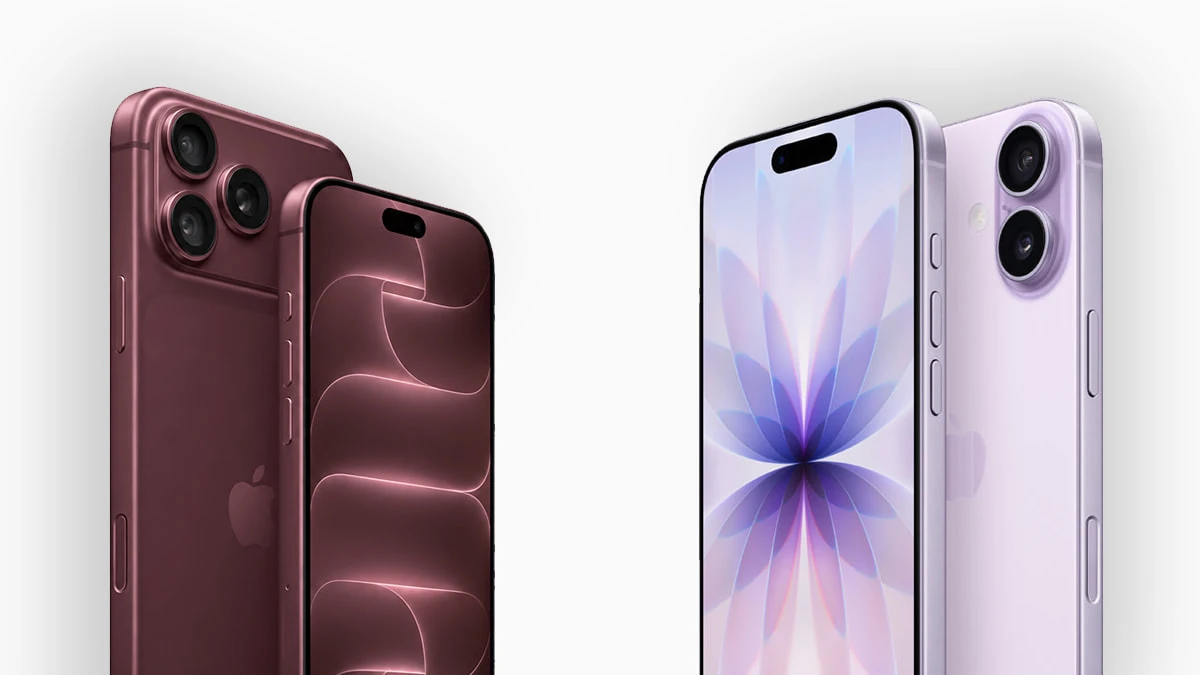
Key points:
- The main everyday differences between the iPhone 18 and iPhone 17 ranges are battery life, the camera, and a newer processor. The technical changes behind them matter less than whether those benefits are useful to you.
- There is no standard iPhone 18 model available yet. The least expensive current iPhone 18 is the iPhone 18 Pro, which starts at £1,199.
- If you already have an iPhone 17 Pro or Pro Max, the changes are relatively small. If you have an older iPhone, the difference may be more noticeable, particularly in battery life, camera performance, and support for newer Apple features.
The iPhone 18 Pro and iPhone 18 Pro Max are now available, while a standard non-Pro iPhone 18 is expected later. The newer models improve the camera, battery life, and Apple Intelligence support, but they also cost more. If you buy your phone separately, you can pair it with a Talkmobile SIM-Only plan and keep the cost of your handset and mobile service separate. Below, we compare the iPhone 18 and iPhone 17 ranges so you can see what has actually changed.
iPhone 18 vs iPhone 17: Direct comparison in brief
For most people, moving from an iPhone 17 Pro to an iPhone 18 Pro is a fairly small step. The difference is bigger if you are moving from an iPhone 17e or standard iPhone 17 to one of the more expensive Pro models. Here are the main differences in brief.
| Feature | iPhone 18 range | iPhone 17 range |
|---|---|---|
| Starting price | £1,199 (Pro); £1,299 (Pro Max) | £699 (17e); £899; £1,099 (Pro); £1,199 (Pro Max) |
| Chip (processor) | A20 Pro – newer processor for faster everyday use | A19 or A19 Pro |
| Display | 6.3-inch (Pro); 6.9-inch (Pro Max) | 6.1-inch (17e); 6.3-inch; 6.9-inch (Pro Max) |
| Storage | 256GB; 512GB; 1TB; 2TB | 256GB; 512GB; 1TB; 2TB |
| Camera | 48MP camera with an adjustable lens opening for different light levels | 48MP camera |
| Battery life | Up to 43 hours of video playback (Pro Max) | Up to 33 hours of video playback (Pro Max) |
| Variants | iPhone 18 Pro; iPhone 18 Pro Max | iPhone 17e; iPhone 17; iPhone 17 Pro; iPhone 17 Pro Max |
Our featured deals


- 30 days contract
- Unlimited minutes & texts

- 30 days contract
- Unlimited minutes & texts

- 30 days contract
- Unlimited minutes & texts
Subject to minimum term. Charges and Ts&Cs apply. 5GB fair use limit applies to roaming.
iPhone 18 vs iPhone 17: Price comparison
Price is likely to be the biggest deciding factor for many people. As of September 2026, the iPhone 18 Pro starts at £1,199 for 256GB of storage, while the iPhone 18 Pro Max starts at £1,299. That makes both a four-figure purchase. The iPhone Duo is more expensive again, starting at £1,999.
The standard iPhone 17 launched at £899 for 256GB, while the lower-cost iPhone 17e starts at £699. That makes the iPhone 17 range much cheaper than the current iPhone 18 Pro models, and refurbished iPhone 17 devices may cost less again. If your current phone already does everything you need, the lower price of an iPhone 17 may be more relevant than the iPhone 18’s technical upgrades.
Aleksha's advice
If you already have an iPhone 17 Pro or Pro Max and it is working well, there may be little everyday reason to change. An older iPhone is more likely to make the newer battery, camera, and Apple Intelligence features feel like a noticeable upgrade.
iPhone 18 vs iPhone 17: Features comparison
The iPhone 17 range brought more obvious changes to the phones themselves, while the iPhone 18 Pro range focuses more on improvements under the surface. In everyday use, the main differences are a newer processor and a camera that can adjust how much light enters the lens. Those changes are more useful to understand in terms of what they do than the technical specifications behind them.
Here are five of the main changes:
| iPhone 18 Pro / Pro Max Features | iPhone 17 Features |
|---|---|
| Smaller area around the front camera | Introduced the lighter iPhone Air |
| More memory to help apps run smoothly | Smoother scrolling on all models (120Hz screen refresh rate) |
| Camera lens can adjust how much light it lets in | Higher-resolution 24MP front camera |
| Newer 5G and wireless hardware | Earlier-generation wireless hardware |
| Newer A20 Pro processor | A19 or A19 Pro processor |
Should you buy an iPhone 18 or an iPhone 17?
If you are using an older iPhone, such as an iPhone 14 or iPhone 15, moving to an iPhone 18 Pro may give you a more noticeable improvement in battery life, camera performance and access to newer Apple Intelligence features. If you already have an iPhone 16 Pro, 17 Pro or similar recent model, the day-to-day difference is likely to be smaller.
If your current iPhone still receives updates and handles calls, messages, photos, and the apps you use without problems, you do not need to replace it simply because the iPhone 18 is newer. If you do want the latest model, the main question is whether the improvements are worth spending £1,199 or more on the handset. Buying the phone separately also lets you pair it with a simple Talkmobile SIM-Only plan rather than paying for the handset and mobile service together.
iPhone 18 vs iPhone 17 FAQs
What are the main differences between the iPhone 18 and iPhone 17?
Does the iPhone 18 Pro have better battery life than the iPhone 17 Pro Max?
Should I upgrade from an iPhone 17 Pro to an iPhone 18 Pro?
Is it worth upgrading from an iPhone 14 or iPhone 15 to an iPhone 18 Pro?