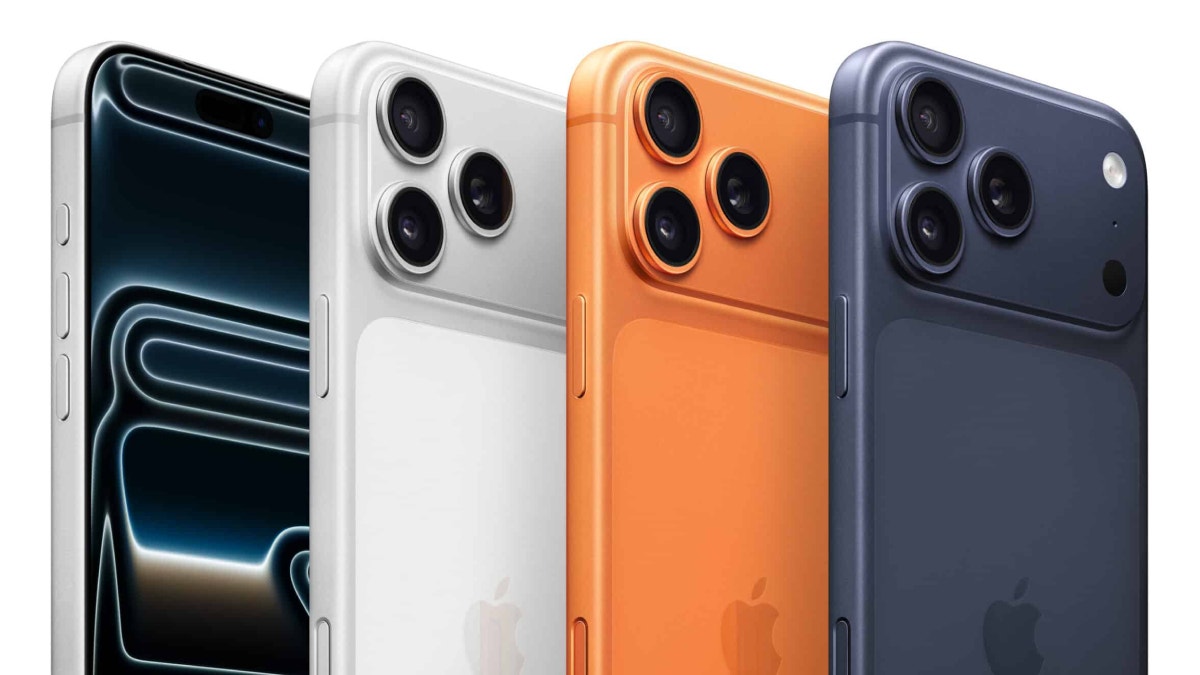
Key Points:
- Most reputable refurbished smartphone resellers use a grading system, such as Pristine, Like-New, or Very good.
- iPhone 16 is purpose-built for Apple Intelligence, featuring a better camera and chip.
- Reasons that refurbished smartphones hit the market include buyer's remorse, being ex-demo, minor electronic faults, and trade-ins.
Value is at the heart of all of our Talkmobile SIM-Only plans, and none is that more apparent when considering pairing a physical SIM card or an eSIM with a refurbished phone. It's no secret that today's Android and Apple smartphones are getting more expensive, with leading features, great cameras, big screens, and premium materials making them cost a pretty penny when bought new. We're going through the alternative to buying a new handset outright, the professionally restored used mobile market, and all there is to weigh up in 2026.
What is a refurbished smartphone?
A refurbished phone specifically denotes a professionally cleaned, thoroughly inspected, and rigorously tested model that's sold in like-new or graded condition. Most of the time, a refurbished smartphone will come with its own set warranty, usually six to 12 months, and will have any faults or damage fixed, and the internal software is wiped to factory new. You don't get a new phone, but you get as close as you can without spending the same as you would on a new in-box version.
Refurbished smartphones tend to be graded on the quality of the device, indicating the type of user experience that you can expect to have. It's not a uniform system that's enforced across all secondhand mobile phone providers, but this is a rough indication of what you're in for in 2026 based on our historical experience and research.
| Grade | Condition | What to expect |
|---|---|---|
| A | Like-new / Pristine | The best that a refurbished smartphone can get. You may only see a few small marks or smudges, if any. |
| B | Very good | Light signs of use and routine wear and tear, such as faint scratches or minor scuffs on the body. |
| C | Fair / Good | More obvious signs of wear, deeper scratches on the screen, and more damage to the smartphone overall. May be otherwise comparable to a heavily used "sold as seen" used phone. |
Our featured deals


- 30 days contract
- Unlimited minutes & texts

- 30 days contract
- Unlimited minutes & texts

- 30 days contract
- Unlimited minutes & texts
Subject to minimum term. Charges and Ts&Cs apply. 5GB fair use limit applies to roaming.
How does a refurbished smartphone compare to a used one?
Refurbished smartphones are available through dedicated reseller sites such as BackMarket, musicMagpie, Reboxed, and The Big Phone Store, or through specific handset providers on the high street and online. You may pay more for the convenience, commitment to quality, and warranty when weighed up against a "sold-as-seen" smartphone available from the likes of eBay or Facebook Marketplace, as you're otherwise just buying the handset from a member of the public and taking on all the associated risks.
Aleksha's advice
Only buy a properly refurbished phone from a known and trusted outlet. The more points of inspection a device has had, the better. Some professional refurbishment companies give distinct and clear battery health ratings for the smartphones in their possession. Battery health is (arguably) the most important factor when it comes to a second-hand device, so try to prioritise listings with at least 90% battery health, or options that confirm a fresh/new battery replacement has been installed.
Where do refurbished mobile phones come from?
There are a few ways that handset resellers and high street network providers get their hands on mobile phones that later become refurbished models. These are the four biggest reasons that you need to know.
| Reason | Explanation |
|---|---|
| Buyer's remorse | A customer bought a phone, realised it wasn't for them after some use, and then returned it to the store in like-new condition. |
| Trade-ins and upgrades | People often trade in their old devices when a contract has finished to get the latest model instead. |
| Minor faults | A smartphone may be returned for having a minor, easily professionally fixable problem. |
| Display/demo models | Many refurbished phones that you can buy from high street stores start their lives off as display or demo models to entice prospective customers. |
Pros and cons of buying a refurbished phone in 2026
If you're weighing up whether a refurbished phone is worth it for you, then our list of pros and cons can help make the decision easier. You can save money, particularly on newly released flagships from Apple, Samsung, and Google, but there are a few drawbacks to consider as well.
| Pros of refurbished phones | Cons of refurbished phones |
|---|---|
| You can save between 20% and 40% when compared to the sticker price of a new flagship handset. | You don't always get the original box the phone came in, meaning you can miss out on the charging cable and other accessories. |
| Buying a refurbished smartphone cuts down on eco waste, making them better for the environment, and minimizing material mining. | Unless directly bought from a manufacturer, the warranty can be significantly less than a factory-new phone, which can limit longevity. |
| Certified refurbishment engineers are keenly trained to a high standard, using software to wipe the data and tools/cleaning supplies to fix it physically. | Battery health can be a concern, particularly if the onboard power cells have been replaced with third-party parts instead of OEM ones. |
| Buying refurbished means you can beat the depreciation curve, as you're spending far less at the start and (likely) will sell the phone for a closer margin to what you paid. | If a refurbished phone has had its display repaired or replaced, it could have had its water resistance compromised compared to the original display. |
| You can save enough money to buy a flagship model instead of a similarly priced new mid-range or budget smartphone instead. | You won't necessarily know which components are inside a refurbished phone. |
| Most professionally refurbished smartphones go through a thorough inspection, which can look for as many as 30 or 40 points of failure by the mobile technicians. | You could pay more of a premium on your smartphone insurance if you cannot guarantee and prove it was new from the day it was purchased. |
What are the best refurbished phones you can get right now?
As touched upon above, the three big smartphone brands (Apple, Samsung, and Google) offer the best and cleanest path for a refurbished or like-new device direct or from a partnered, trusted retailer. In terms of which model to consider, the specific rule of thumb is to go a generation or two behind for a flagship, and to consider only a previous-generation budget or mid-range device instead. This will mean a better return on investment but also a longer lifespan when it comes to security updates and software support. Google's recently released Pixel 11 and Pixel 11 Pro impress with excellent cameras, powerful AI features, and stellar build quality; however, you can find the previous-generation Pixel 10 and Pixel 10 Pro substantially cheaper in new or like-new condition instead. iPhone models and Samsung models are similar. The iPhone 18 is incoming, so iPhone 17 and iPhone 16 models are getting cheaper. Similarly, the Samsung Galaxy S26 lineup dropped in February 2026, so if you want it for less, wait until early 2027 to bag a bargain.
What else you need to know about buying a refurbished phone in 2026
Now that we understand what a refurbished phone is, who sells them, and have been introduced to the grading system, it's time to go over a few other considerations of note. Because not all grading systems are made equally, there's a distinction between an OEM or official manufacturer's refurbishment using genuine parts and lesser refurbishments that run the risk of using lower-quality third-party parts instead. This is particularly problematic with areas such as the front display, glass screen, digitizer, and the battery, which can degrade faster (or be more fragile) than the OEM alternative.
Even if you buy a properly refurbished phone, it will be beholden to that device's original lifespan of software and security updates. For example, a refurbished phone from two or three years ago will be mechanically sound, but may only be supported with software for another year or two, locking you out of any necessary operating system updates, which can come with a suite of features and security preferences. This can also mean certain apps may be locked out of use to you as they are updated to newer versions of Android and iOS, meaning you get less overall functionality the older the device is. Depending on carrier-locking and regional differences, you may lack other features as well.
Frequently Asked Questions (FAQ):
Is it safe to buy a refurbished phone?
What are the downsides of a refurbished phone?
Do all refurbished phones come with new batteries?